I (kana) Sisällysluettelo Alkuperä | Latinisaatio | Kirjoitus | Tietotekniikassa | Lähteet | NavigointivalikkoJapanese HiraganaJapanese KatakanaHiragana Character ChartKatakana Character Chart
Kanat
hiraganallakatakanallajapanin kielenkanaauman'yōganakanjistalatinisoidaanHepburnKunrei-shikiNihon-shiki
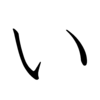 Hiragana |  Katakana | |||||||||||||||||||||||||||||||||||||||||||||||||||||||||||||||||||
Latinisaatio: | i | |||||||||||||||||||||||||||||||||||||||||||||||||||||||||||||||||||
|---|---|---|---|---|---|---|---|---|---|---|---|---|---|---|---|---|---|---|---|---|---|---|---|---|---|---|---|---|---|---|---|---|---|---|---|---|---|---|---|---|---|---|---|---|---|---|---|---|---|---|---|---|---|---|---|---|---|---|---|---|---|---|---|---|---|---|---|---|
Man'yōgana: | 以, 伊 | |||||||||||||||||||||||||||||||||||||||||||||||||||||||||||||||||||
Unicode: | U+3044, U+30A4 | |||||||||||||||||||||||||||||||||||||||||||||||||||||||||||||||||||
| ||||||||||||||||||||||||||||||||||||||||||||||||||||||||||||||||||||
い hiraganalla tai イ katakanalla ovat kaksi japanin kielen kirjoittamiseen käytettyä kana-merkkiä, jotka edustavat samaa tavua. Ne lausutaan .mw-parser-output .IPAfont-family:"Chrysanthi Unicode","Doulos SIL",Gentium,GentiumAlt,Code2000,"TITUS Cyberbit Basic","DejaVu Sans","Bitstream Cyberbit","Arial Unicode MS","Lucida Sans Unicode","Hiragino Kaku Gothic Pro","Matrix Unicode";font-family:inherit.mw-parser-output .IPA a:link,.mw-parser-output .IPA a:visitedtext-decoration:none/i/, ja ne ovat kana-aakkostojen toisella sijalla a- ja u-tavujen välissä.
Sisällysluettelo
1 Alkuperä
2 Latinisaatio
3 Kirjoitus
4 Tietotekniikassa
5 Lähteet
Alkuperä |
Hiragana い on johdettu man'yōgana-merkistön kautta kanjista 以 ja katakana イ kanjista 伊.
Latinisaatio |
Kanat latinisoidaan samalla tavalla sekä Hepburn-, Kunrei-shiki että Nihon-shiki-järjestelmissä: « i ».
Kirjoitus |

Vetojen järjestys merkille い.
Hiragana い kirjoitetaan kahdella vedolla:
- Pystysuora, hieman vaakasuoraan kääntynyt kaareva veto, joka tekee lopussa koukun oikealle.
- Kaareva ja pystysuora edellistä lyhyempi veto.

Vetojen järjestys merkille イ.
Katakana イ kirjoitetaan kahdella vedolla:
- Diagonaalinen veto ylhäältä oikealta alas vasemmalle.
- Pystysuora veto ylhäältä alas.
Tietotekniikassa |
Unicode-merkinnät:- い (suuri merkki): U+3044
- ア (suuri merkki): U+30A4
- ぃ (pieni merkki): U+3043
- ィ (pieni merkki): U+30A3
Lähteet |
- Japanese Hiragana Omniglot. Viitattu 23. lokakuuta 2008.
- Japanese Katakana Omniglot. Viitattu 23. lokakuuta 2008.
- Hiragana Character Chart Unicode. Viitattu 23. lokakuuta 2008.
- Katakana Character Chart Unicode. Viitattu 23. lokakuuta 2008.


